
DIY Siding Repair: A Step-by-Step Guide for Overland Park Homeowners


Overland Park homeowners take pride in the appearance of their homes, and well-maintained siding is a crucial part of that curb appeal. Whether you're dealing with minor damage or wear and tear, tackling siding repair yourself can save money and boost your home's aesthetic. This step-by-step guide will walk you through the process, ensuring your siding looks as good as new.
Understanding Your Siding Material
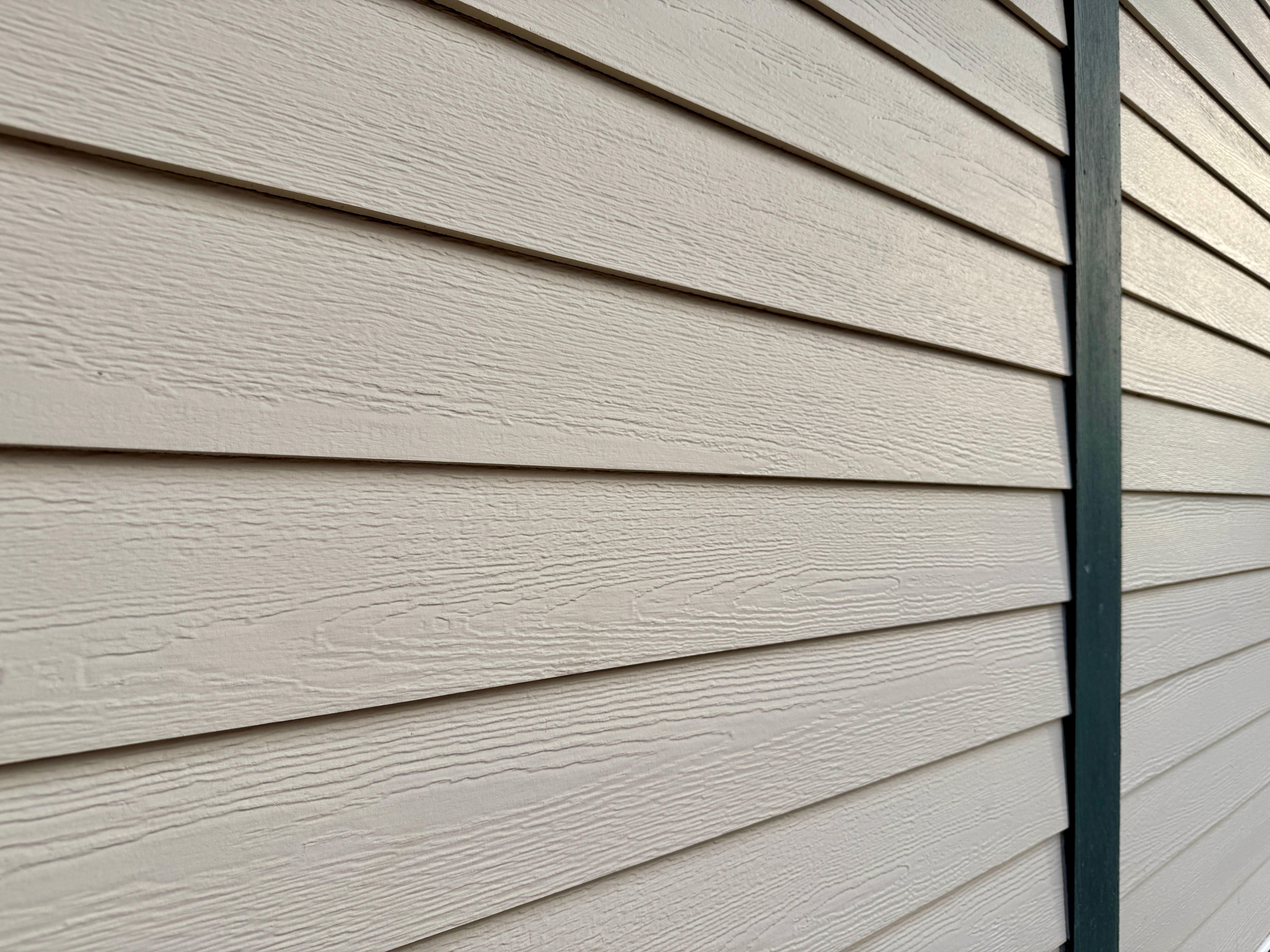
Before diving into repairs, it's essential to know what type of siding your home has. Common materials include vinyl, wood, and fiber cement. Each material requires different tools and techniques for repair.
Vinyl siding is popular for its durability and low maintenance. Wood siding offers a classic look but may be prone to rot or insect damage. Fiber cement is a sturdy option that mimics the appearance of wood without the same vulnerabilities.
Gathering Your Tools and Materials
Once you've identified your siding material, gather the necessary tools. For most siding repairs, you'll need:
- Hammer
- Pry bar
- Utility knife
- Replacement siding pieces
- Paint (if applicable)
Ensure that you have all materials on hand before starting to avoid unnecessary trips to the hardware store.
Inspecting the Damage
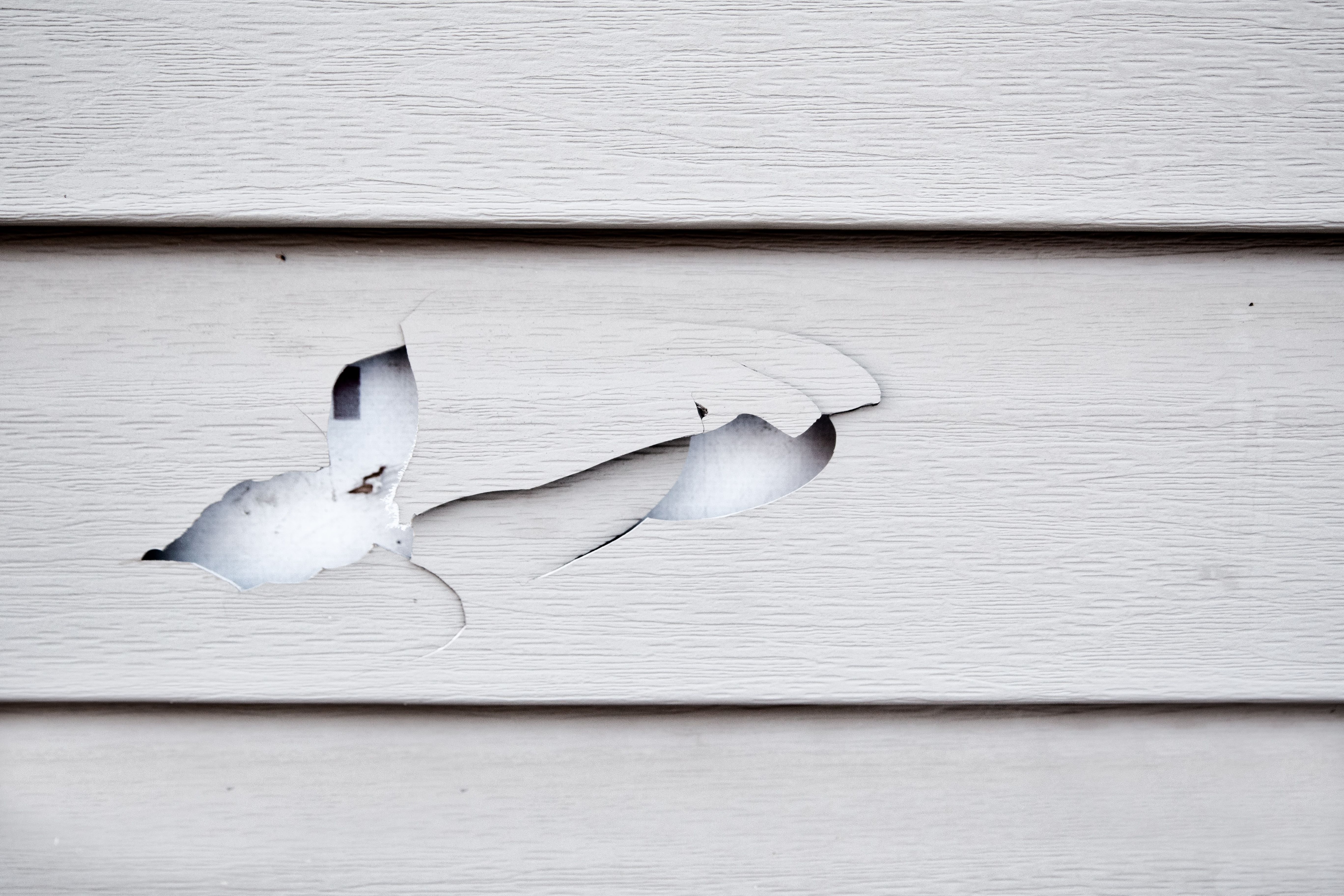
Start by inspecting the damaged area. Look for cracks, warping, or loose pieces. Understanding the extent of the damage will help you determine whether a simple patch will suffice or if full replacement is necessary.
Removing the Damaged Siding
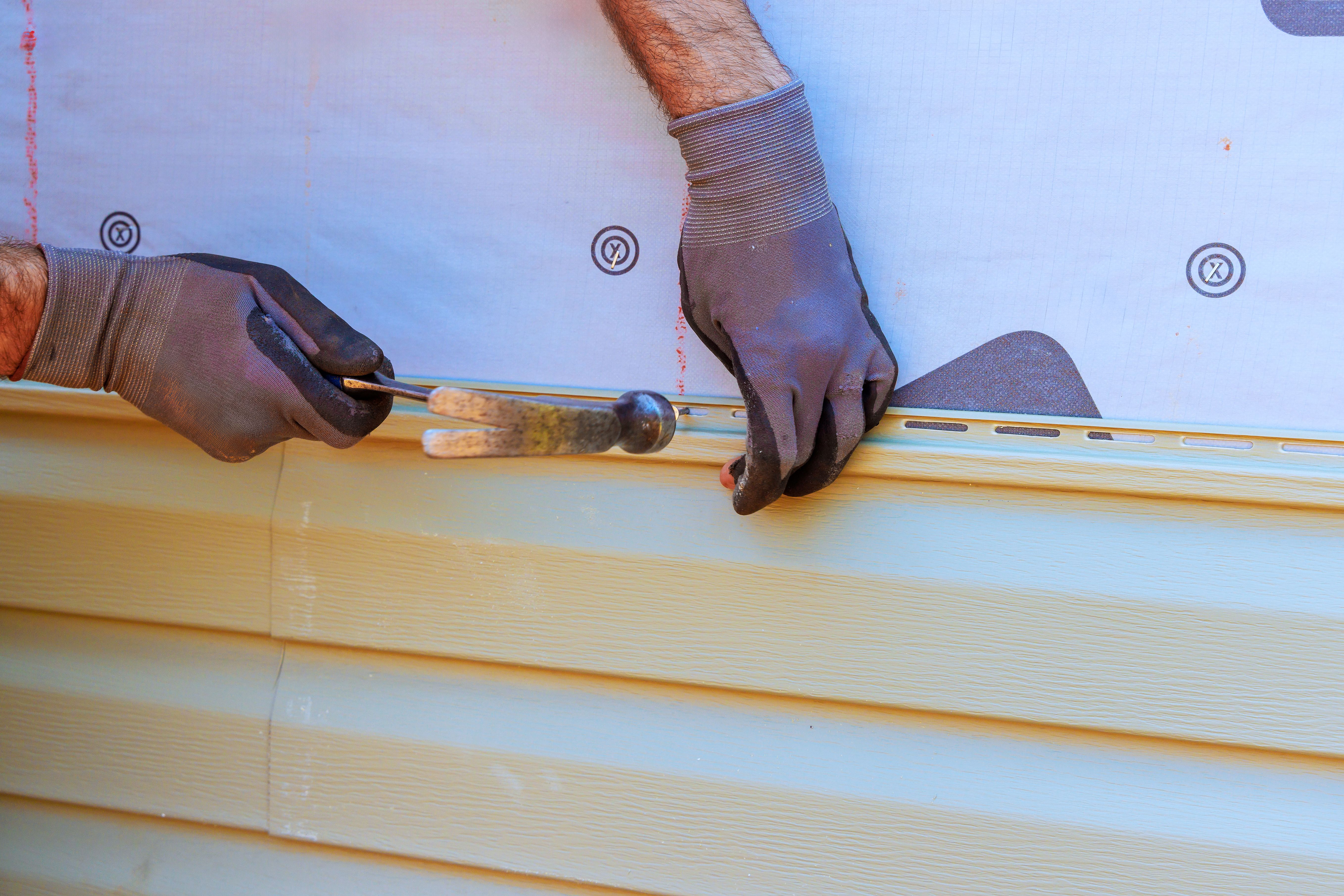
Carefully remove the damaged siding using a pry bar. For vinyl, you'll need to unzip the panels using a zip tool. Be gentle to avoid damaging surrounding pieces. For wood, remove nails with a hammer and pry bar.
Once the damaged section is removed, check the underlying structure for any signs of rot or damage, which may require additional repairs.
Installing Replacement Siding
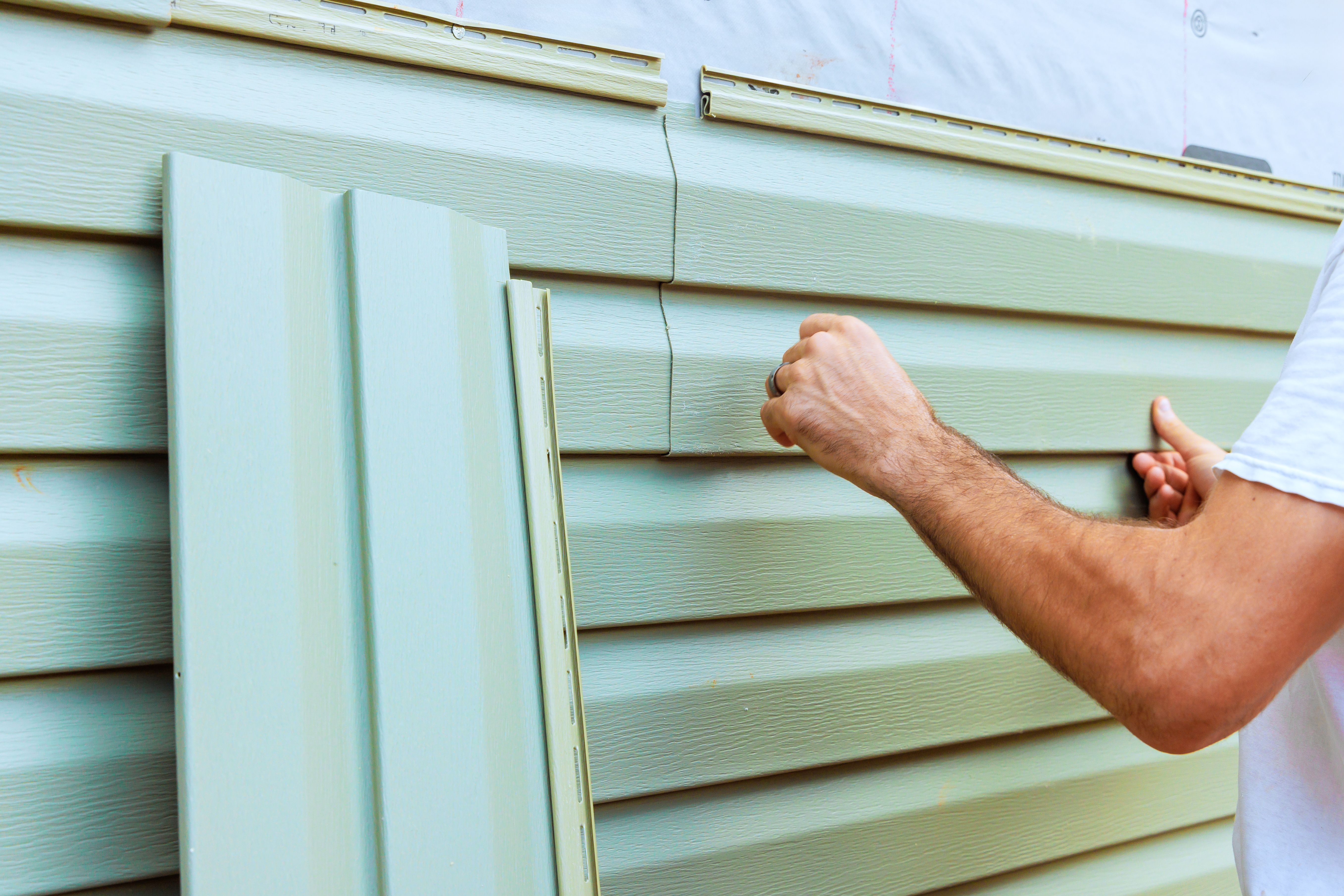
Cut the replacement siding to fit the space, ensuring the fit is snug. For vinyl, slide the replacement piece into place and use a zip tool to lock it securely. For wood, nail the replacement board into position, ensuring it's level with surrounding pieces.
Finishing Touches
After installing the new siding, check for any gaps or uneven areas. Apply caulk if necessary to seal any small openings. If your siding requires painting, choose a color that matches the existing siding and apply a coat to blend the repair seamlessly.
Allow any paint or caulk to dry thoroughly before inspecting your work for any additional touch-ups.
Regular Maintenance Tips
To keep your siding in top condition, perform regular maintenance checks. Clean your siding annually with a garden hose or pressure washer, and inspect for any signs of damage. Early detection can prevent more extensive and costly repairs.
By following this guide, Overland Park homeowners can confidently tackle DIY siding repairs, maintaining the beauty and integrity of their homes. With the right tools and a little patience, your siding will look as good as new in no time.