
How to Identify and Repair Wood Rot: A Homeowner’s Guide


Wood rot is a common issue that can compromise the integrity of your home. Recognizing the signs early and taking swift action can save you time and money. This guide will help you identify and repair wood rot effectively.
Understanding Wood Rot
Wood rot is a type of decay caused by fungi. It thrives in damp environments, so areas exposed to moisture are particularly vulnerable. Common spots include basements, attics, and around windows.
Identifying wood rot involves looking for discoloration, softness, and a musty odor. These signs indicate that the wood structure is compromised and needs attention.
Types of Wood Rot
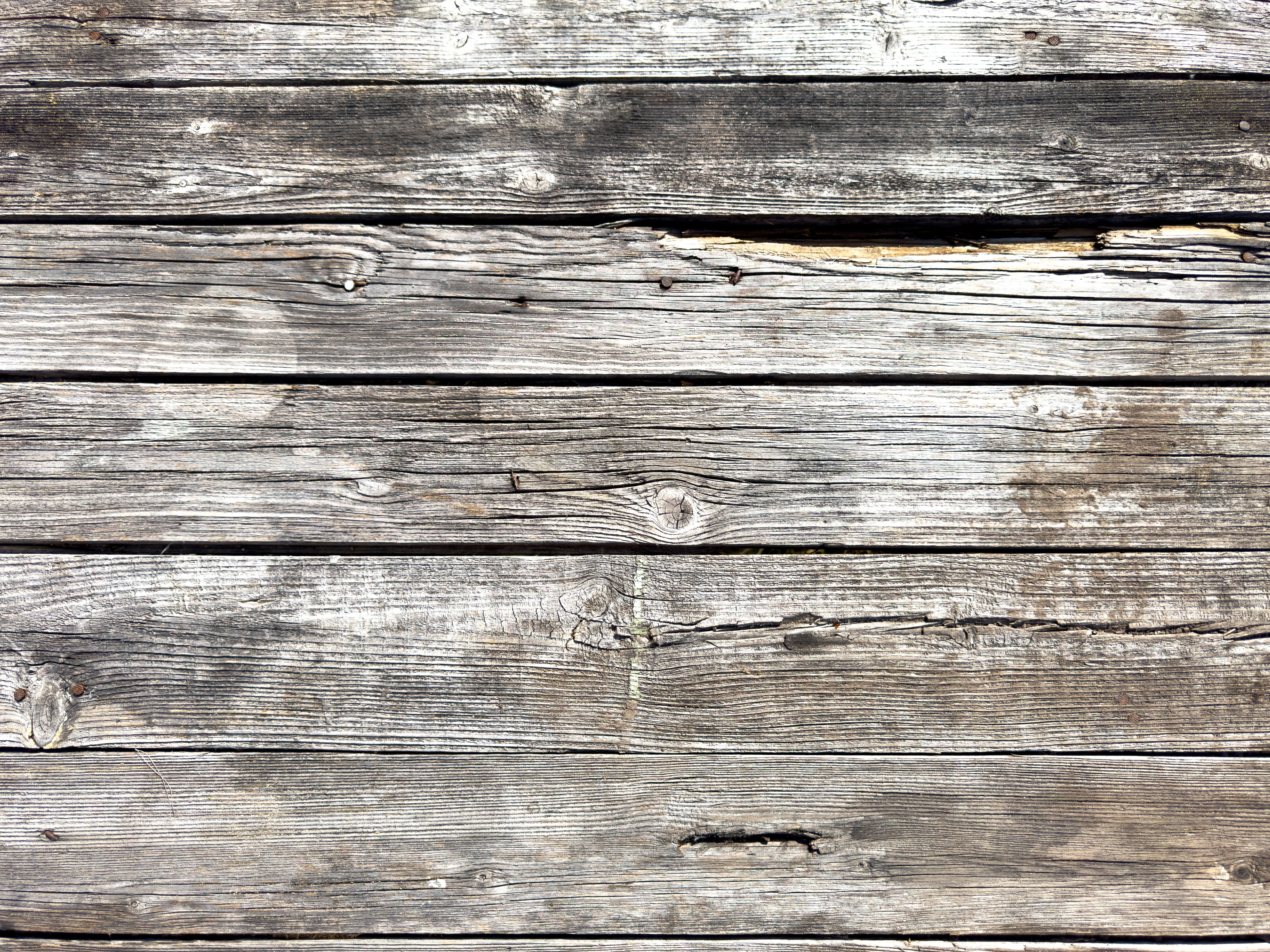
There are three main types of wood rot: brown rot, white rot, and dry rot. Brown rot causes the wood to crack and turn dark. White rot gives wood a whitish, spongy appearance, while dry rot results in a powdery texture.
Each type requires different treatment methods, so proper identification is crucial for effective repair.
Inspecting for Wood Rot
Regular inspections are vital in preventing extensive damage. Use a flashlight and screwdriver to probe suspected areas. If the wood feels soft or crumbles easily, it may be rotting.
Check places with poor ventilation or those exposed to water frequently, such as bathrooms and kitchens.

Repairing Wood Rot
Once you've identified rot, repair is essential. Start by removing the affected wood using a chisel or saw. Ensure you eliminate all the decayed material to prevent recurrence.
- Remove all rotted wood.
- Treat the area with a wood hardener.
- Fill gaps with epoxy or wood filler.
- Sand the surface smooth.
- Paint or seal to protect against moisture.
Preventing Future Rot
Preventing wood rot involves controlling moisture and improving ventilation. Check gutters and downspouts for blockages that could lead to water damage. Seal gaps around windows and doors to keep moisture out.
Consider using treated wood for outdoor projects and routinely applying sealant to vulnerable areas.
When to Call a Professional
While minor repairs can often be handled by homeowners, extensive rot or structural damage requires professional intervention. Contacting an expert ensures that the problem is thoroughly addressed.
By staying vigilant and proactive, you can protect your home from the damaging effects of wood rot.